The End of the Industrial Silent Era
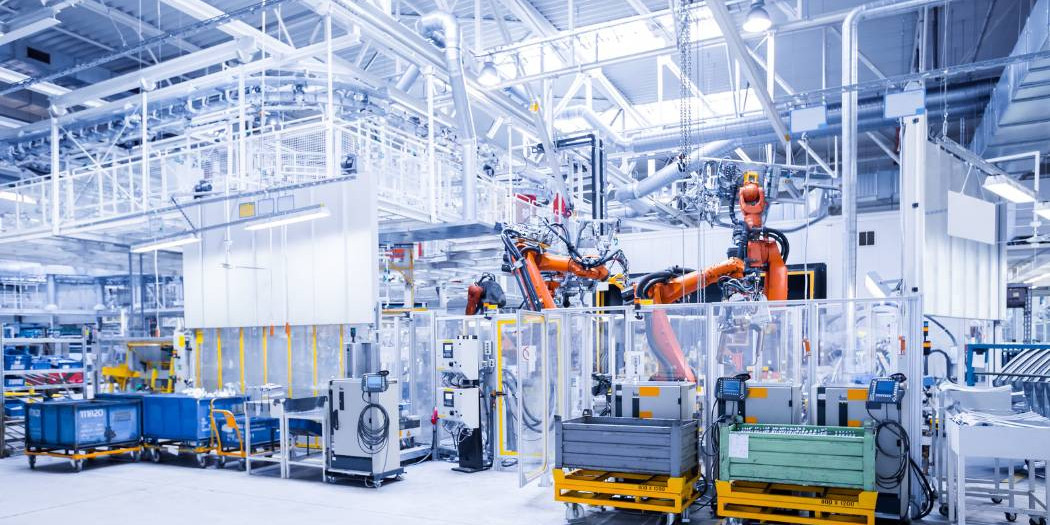
For decades, the manufacturing sector has operated behind a heavy, opaque curtain. Traditionally, the logic was simple: keep your processes close to your chest, treat your innovations like state secrets, and only speak to the public through sanitized press releases or the occasional trade show booth. From my perspective, this culture of silence has become the industry’s greatest liability. As we move further into 2025, the decision to migrate our manufacturing insights from the factory floor to digital spaces like HindLatex isn’t just a strategic pivot—it’s a necessary evolution that finally feels right.
The resistance to digital transparency in industrial circles has always baffled me. There is a lingering fear that sharing knowledge somehow dilutes a brand’s competitive advantage. I argue the opposite. In an era defined by information parity, those who refuse to speak up in digital spaces aren’t protecting their secrets; they are simply becoming invisible. By opening the doors to our thought processes regarding precision healthcare and sustainable latex, we aren’t giving away the crown jewels—we are proving why we deserve the crown in the first place.
The Myth of the Proprietary Secret
In the world of high-performance materials and polymer applications, many manufacturers cling to the idea that their ‘secret sauce’ is what keeps them in business. I believe this is a fundamental misunderstanding of modern B2B relationships. In my view, the ‘secret’ is rarely the chemical compound itself; it is the consistency, the ethical supply chain, and the intellectual rigor behind the production. When we hide these elements from the digital eye, we fail to build the trust that modern buyers demand.
Digital spaces allow us to deconstruct the complexities of latex manufacturing in a way that a physical product catalog never could. We can argue for better standards in industrial-grade materials and challenge the status quo of ‘good enough’ manufacturing. To me, moving these insights online is an act of accountability. If you can’t explain your process to a global digital audience, perhaps your process isn’t as refined as you claim it to be.
Why Digital Spaces are the New Factory Floor
The modern procurement officer or medical supply distributor doesn’t begin their search in a dusty directory. They begin in a search engine. If a manufacturer isn’t there to meet them with high-value insights, that manufacturer doesn’t exist to them. I see the digital landscape as an extension of our manufacturing facility—a place where we demonstrate our precision and our commitment to sustainable solutions long before a contract is ever signed.
Building Trust in Precision Healthcare
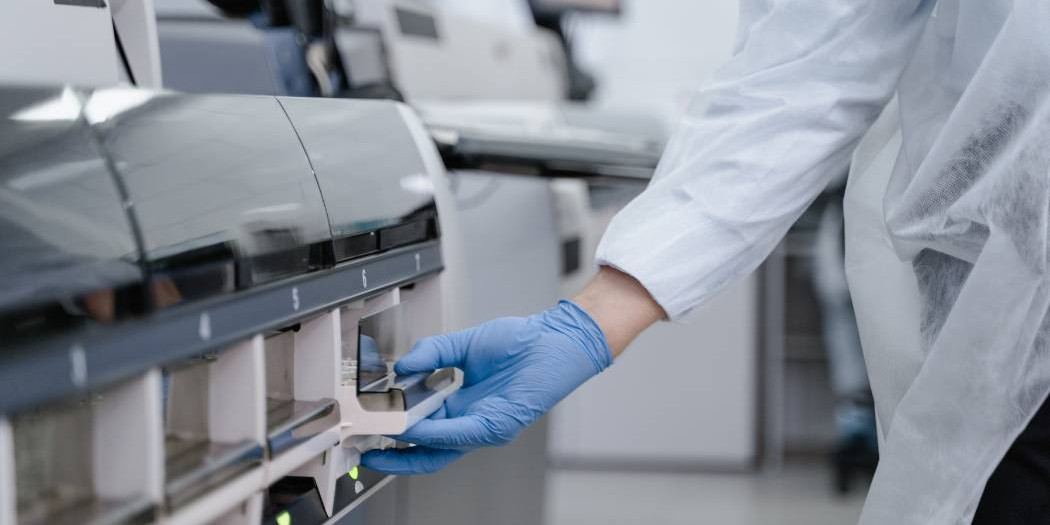
Nowhere is this transparency more critical than in healthcare manufacturing. When we are producing materials that impact patient outcomes, the ‘trust me’ approach is no longer sufficient. Digital insights allow us to showcase the rigorous testing and innovation that goes into every polymer application. I believe that by publishing our perspectives on industry trends and technological shifts, we provide our partners with a level of psychological safety that was previously impossible to achieve through traditional sales channels.
The Benefits of an Open-Door Digital Policy
Advocating for digital transparency isn’t just about being ‘online’; it’s about creating a repository of value that benefits the entire ecosystem. Here is why I believe this shift is the only way forward for serious manufacturers:
- Democratizing Technical Knowledge: By explaining the nuances of latex applications, we empower distributors to make better, more informed decisions for their end-users.
- Accelerating the Sales Cycle: When a partner enters a conversation already educated by our digital insights, we skip the basic hurdles and move straight to solving complex problems.
- Attracting Ethical Partners: Digital transparency acts as a filter. It attracts buyers who value sustainability and precision as much as we do, while deterring those looking for the cheapest, least ethical shortcuts.
- Driving Industry Standards: When we lead the conversation online, we set the benchmark for what high-performance manufacturing should look like in the 21st century.
Overcoming the Fear of ‘Oversharing’
The most common pushback I hear is that sharing insights online invites competition to copy our methods. To that, I say: let them try. Manufacturing excellence is about execution, culture, and a relentless pursuit of quality—things that cannot be captured in a blog post or a LinkedIn article. What *can* be captured is our authority. When HindLatex speaks on the future of industrial-grade latex, we aren’t just sharing information; we are staking a claim in the future of the industry.
I am tired of the industrial world being a place of closed doors and ‘need to know’ information. The digital space offers us a platform to be loud, to be opinionated, and to be leaders. It allows us to advocate for sustainable manufacturing in a way that reaches across borders and time zones. The move to digital isn’t about following a trend; it’s about realizing that our expertise is our most valuable product, and it’s time we shared it with the world.
A New Era of Industrial Leadership
Ultimately, the transition of manufacturing insights into digital spaces feels right because it aligns with the values of the modern world: transparency, accessibility, and continuous improvement. We are no longer just makers of things; we are curators of knowledge. By embracing this digital shift, we are ensuring that the precision and care we put into our healthcare products are reflected in the way we communicate with the world. The curtain is up, the doors are open, and frankly, we should have done this years ago.