
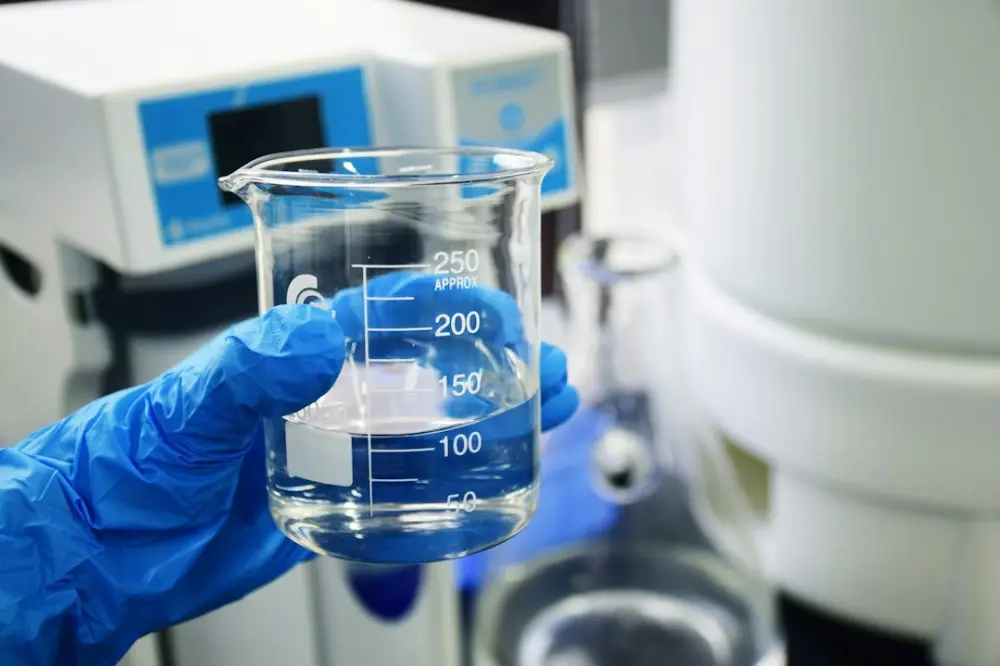
Latex and polymer material properties are defined by their molecular structure and physical state. Latex is a stable dispersion of polymer microparticles in an aqueous medium, typically associated with natural rubber. While latex is a specific physical form, polymers represent a broad category of natural or synthetic substances composed of large molecules. Understanding their distinct mechanical properties and chemical resistances is essential for selecting the right material for industrial or medical use.
For manufacturers and distributors, the distinction between a raw polymer and a latex suspension is more than academic; it dictates how the material is handled, stored, and applied. A polymer in its solid resin form might be processed via injection molding or extrusion, whereas a latex dispersion is often used for dipping, coating, or as a binder in.
Key Physical and Chemical Property Differences
When comparing these materials, mechanical strength and elasticity are usually the primary considerations. Natural latex is renowned for its high tensile strength and exceptional elongation-at-break. This means it can be stretched significantly and return to its original shape without permanent deformation. This "snap-back" quality is difficult to replicate perfectly in synthetic alternatives, making natural latex a preferred choice for high-performance elastic bands or specialized medical tubing.
However, chemical resistance varies wildly between natural and synthetic options. Natural rubber latex is susceptible to degradation when exposed to oils, fats, and many petroleum-based solvents. For industrial environments where contact with grease is common, synthetic polymers like Nitrile are superior. Nitrile is a synthetic polymer that offers excellent resistance to punctures and chemicals, which is why it has become the standard for nitrile rubber industrial safety gloves. Another example is Neoprene (polychloroprene), a synthetic polymer that maintains its flexibility over a wide temperature range and resists degradation from sunlight and ozone, making it ideal for outdoor gaskets and wetsuits.
Thermal stability is another critical metric. Most polymers have a specific glass transition temperature (Tg), the point at which the material shifts from a hard, glassy state to a soft, rubbery state. Natural latex performs well at low temperatures but can become tacky or lose structural integrity at high temperatures. Specialized synthetic polymers can be engineered with specific Tg values to suit extreme environments, such as aerospace seals or engine compartment components. For those understanding latex and polymer applications across various sectors, recognizing these thermal limits is vital for preventing product failure.
Industrial and Medical Application Strengths
The choice between latex and solid polymers often comes down to the required manufacturing technique. Latex is uniquely suited for the dipping process. For instance, in the production of surgical gloves or balloons, a ceramic or metal former is dipped into a latex bath. The thin film that adheres to the former is then dried and vulcanized. This process allows for the creation of incredibly thin, seamless, and flexible barriers that are difficult to achieve with solid polymer melt processing.
In the medical field, the barrier properties of natural latex are exceptional for preventing the transmission of pathogens. Nevertheless, the presence of naturally occurring proteins can trigger allergic reactions in some individuals. This has led to a significant shift toward synthetic polymer alternatives like polyisoprene, which mimics the molecular structure of natural rubber but lacks the allergenic proteins. In industrial settings, the focus shifts toward durability and specialized resistance. For example, in the construction industry, polymer-modified bitumen is used for roofing to provide better adhesion and flexibility than standard asphalt. Similarly, latex-based adhesives are used in carpet backing because they provide a strong bond while remaining flexible enough for the carpet to be rolled and installed.
Water-based latex coatings are also preferred in many architectural applications because they have lower volatile organic compound (VOC) emissions compared to solvent-based polymer paints. This makes them safer for indoor use and better for meeting stringent environmental regulations. Whether it is a high-build waterproof coating for a basement or a precision-engineered medical catheter, the specific form of the polymer—liquid dispersion or solid resin—determines the efficiency of the production line.
Selecting Between Natural and Synthetic Options
Selecting the right material requires balancing performance requirements with cost and sustainability goals. Natural rubber latex is a renewable resource, which appeals to brands focusing on sustainable manufacturing. It is biodegradable under the right conditions, whereas many synthetic polymers are derived from petroleum and persist in the environment for much longer. However, the price of natural latex can be volatile, influenced by weather patterns in Southeast Asia and global shipping fluctuations.
Synthetic polymers offer a level of consistency that is hard to match with natural products. Because they are synthesized in a controlled laboratory or factory setting, the molecular weight distribution and purity can be tightly regulated. This consistency is crucial for high-precision manufacturing, such as in the production of automotive fuel lines or electronic insulators. For example, Ethylene Propylene Diene Monomer (EPDM) is a synthetic polymer used extensively in automotive weatherstripping because of its superior resistance to heat and weather compared to natural rubber.
When evaluating the future of industrial grade latex: trends and innovations, we see a move toward hybrid systems. These systems attempt to combine the high elasticity of natural latex with the chemical resilience of synthetic polymers. For a distributor, offering a range of both natural and synthetic options is necessary to meet the diverse needs of clients who might prioritize "green" materials for consumer goods but require high-spec synthetics for heavy machinery components.
Sourcing Specialized Latex and Polymer Solutions
Effective sourcing in the latex and polymer industry depends on technical transparency. Buyers should prioritize suppliers who provide comprehensive Technical Data Sheets (TDS) and Safety Data Sheets (SDS). These documents should detail the polymer's tensile modulus, shore hardness, viscosity, and solid content percentage. For latex dispersions, the pH level and colloidal stability are also critical factors, as they affect how the material will behave when mixed with pigments or other additives in your own facility.
Testing batch consistency is another practical step. Even small variations in the vulcanization rate or particle size distribution can lead to defects in the finished product, such as pinholes in gloves or delamination in adhesives. Establishing a relationship with a supplier that understands the nuances of polymer chemistry allows for better troubleshooting when production issues arise. For instance, if a coating is not adhering correctly to a metallic substrate, a knowledgeable partner can suggest a polymer with a different functional group to improve chemical bonding.
At HindLatex, we focus on the intersection of these technical properties and the practical needs of modern manufacturing. By examining the specific mechanical and chemical demands of your application, you can determine whether a natural latex dispersion or a specialized synthetic polymer is the most efficient choice. This site serves as a resource for navigating these material complexities, ensuring that distributors and manufacturers have the information needed to select materials that are both high-performing and aligned with evolving industrial standards.