
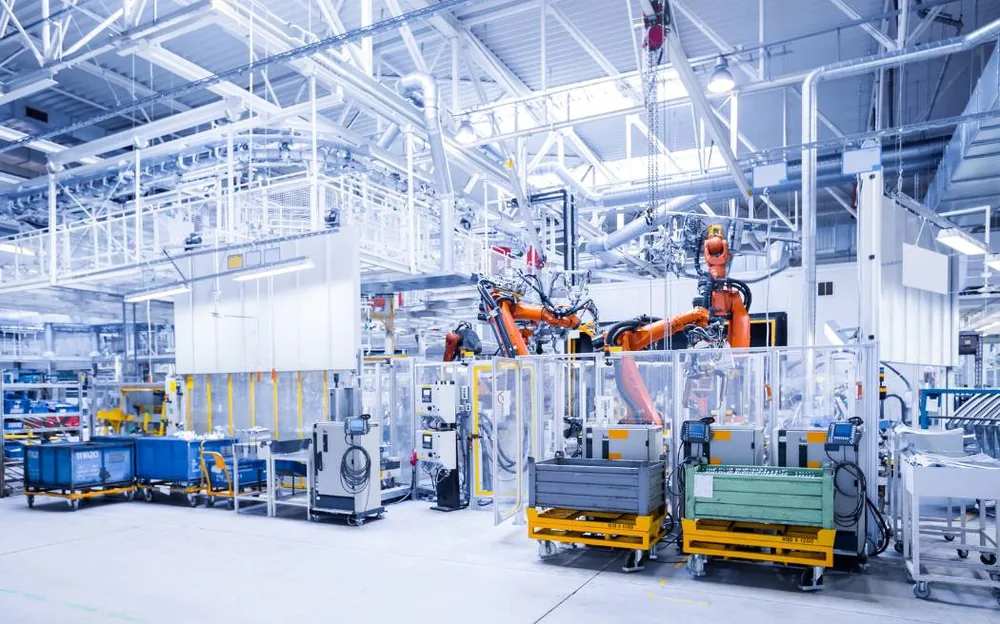
Beyond environmental impact, it is crucial to evaluate technical capabilities when choosing a manufacturing partner for high-performance materials to ensure long-term product reliability.
Sustainability is no longer a buzzword, it’s a mandate. As we move deeper into 2025, global supply chains are under growing pressure to adopt sustainable practices. Buyers and distributors of industrial-grade materials, including latex-based products, must now evaluate not just performance and pricing but environmental and ethical impact as well. This article breaks down what sustainable manufacturing truly means in 2025, and what stakeholders in the supply chain need to prioritize.1. Sustainability Is Now a Market Expectation
Customers, regulators, and global procurement teams increasingly demand proof of sustainable practices. Companies that fail to adapt risk exclusion from tenders, reduced brand equity, and regulatory penalties. For latex product manufacturers, this includes sourcing responsibly harvested natural rubber, reducing energy consumption, and minimizing emissions in the production process.2. Green Certifications Matter
In 2025, green certifications are not optional, they’re a competitive advantage. Distributors should look for compliance with standards such as:- ISO 14001 (Environmental Management)
- REACH and RoHS (EU regulations)
- FSC certification (for sustainable rubber sourcing) HindLatex is committed to aligning with international sustainability frameworks to offer products that meet the highest environmental and ethical benchmarks.
3. Waste Reduction and Circularity
Modern sustainable manufacturing emphasizes waste minimization and the move toward circular systems. This includes:- Closed-loop water systems
- Efficient use of raw materials
- Recyclable packaging
- Biodegradable latex formulations
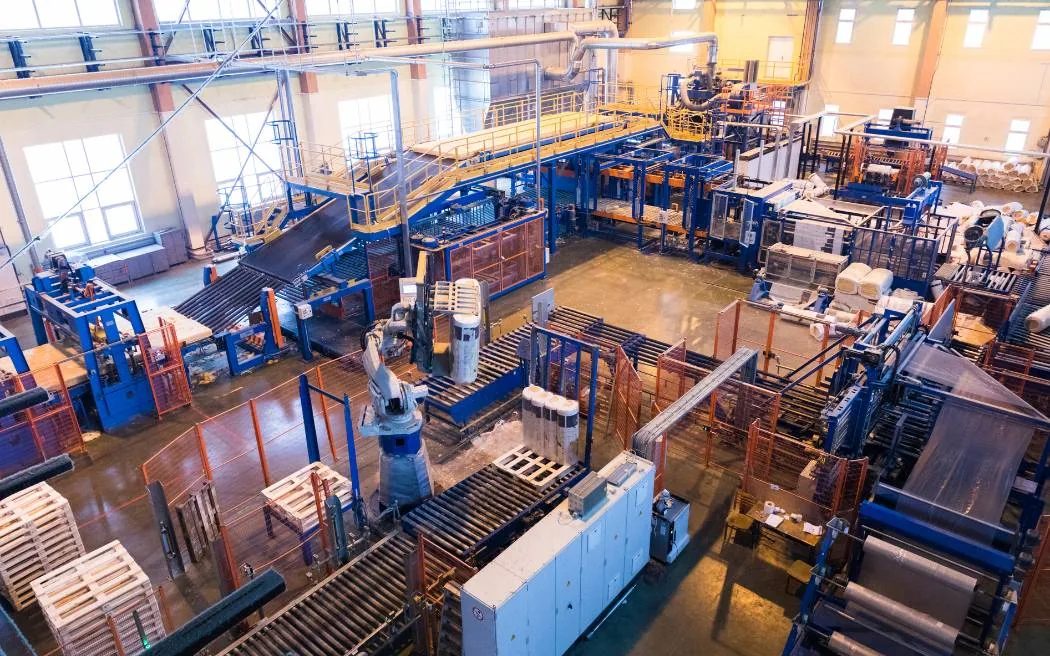
4. Energy Efficient Production
With rising energy costs and environmental scrutiny, energy-efficient manufacturing is non-negotiable. HindLatex integrates:- Renewable energy sources (e.g., solar integration)
- Low-emission curing processes
- Energy-monitoring systems for continuous optimization
5. Transparency and Traceability
Buyers now require full transparency throughout the production lifecycle from raw material sourcing to post-sale logistics. Blockchain-enabled supply chains, digital twins, and IoT monitoring allow real-time visibility, ensuring accountability at every stage.6. What Buyers and Distributors Should Demand
To stay competitive and compliant, demand the following from your suppliers:- Documented environmental impact data
- Lifecycle analyses of products
- ESG (Environmental, Social, Governance) reporting
- Ethical labor certifications